Buddhist Theocracy
Rule by a Buddhist monastic hierarchy, with reincarnated leaders and monasteries dominating politics and land, traditional order and moral precepts as law, as in the Tibet of the Dalai Lama before 1950.
Home / Ideologies / Buddhist Theocracy
Rule by a Buddhist monastic hierarchy, with reincarnated leaders and monasteries dominating politics and land, traditional order and moral precepts as law, as in the Tibet of the Dalai Lama before 1950.
In one sentence
I want a society ruled by the sangha, with reincarnated lamas in command, the five precepts as law and the traditional order above elections.
Political axes
Leans further toward religious than 95% of the 253 ideologies in the catalog.
Of all the axes, Religion is where it stands furthest from the rest.
On Structure, it sits practically at the catalog median.
Here it shares common ground with most ideologies.
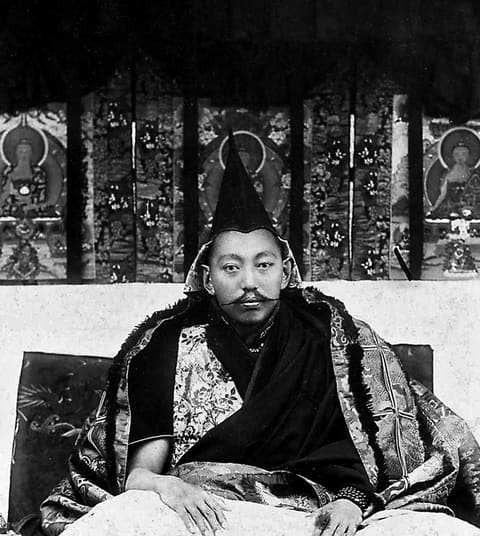
Head of theocratic Tibet, the 13th Dalai Lama expelled the Chinese and proclaimed independence in 1913, built an army, post and currency, backed down before the monasteries by closing the English school, and warned against communism in 1932.
Closest, by dimension
Other compatible profiles
The most distant
Reference country
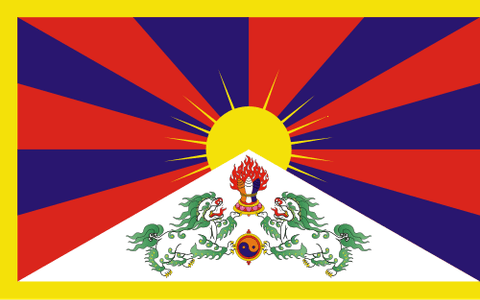
A de facto independent state between the fall of the Qing and the Chinese invasion, Tibet was a Buddhist theocracy ruled by the Dalai Lama, with monasteries and aristocracy owning the land, peasants bound to it and deliberate isolation from the modern world.
Other close countries
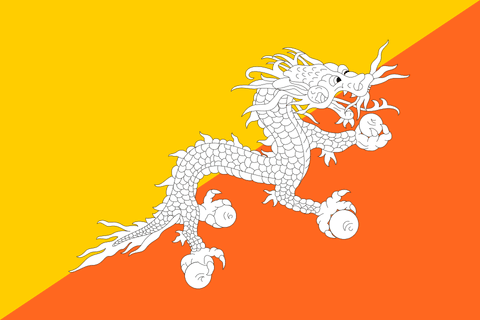
A small Himalayan kingdom, Bhutan combines a Buddhist constitutional monarchy, strong protection of traditional culture and nature, and Gross National Happiness as its compass of government, with cautious openness to the outside world.
Also close, by dimension
The most distant
A de facto independent state between the fall of the Qing and the Chinese invasion, Tibet was a Buddhist theocracy ruled by the Dalai Lama, with monasteries and aristocracy owning the land, peasants bound to it and deliberate isolation from the modern world.
Also close, by dimension
The most distant
Ideological proximity
Closest within Far-Right
Doctrine of the rule of the best, entrusting power to a minority qualified by virtue, education or birth, rejecting political equality and majority rule as surrendering the city to incompetence.
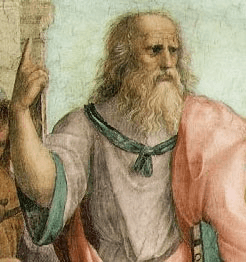
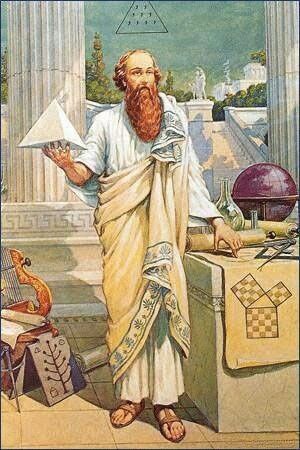
Plato's political philosophy, entrusting the city's government to a philosophical elite formed by virtue and knowledge, with strong control over education, property and customs in the name of justice and social harmony.
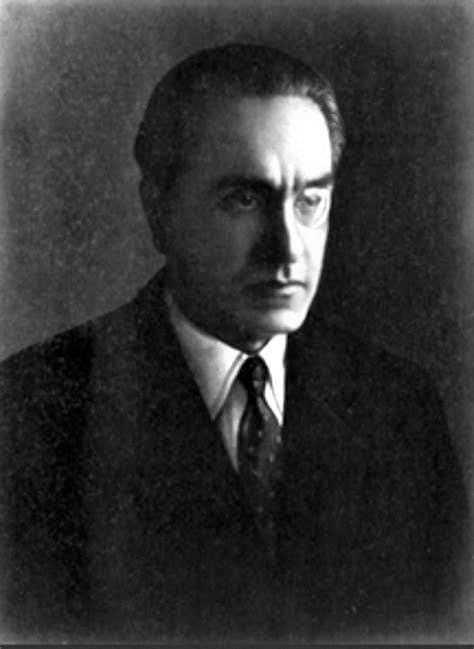
A current of René Guénon and Julius Evola that sees modernity as the decay of a universal spiritual tradition, defending sacred hierarchy, castes, initiatory order and the primacy of spirit over economics and mass politics.
Closest in other spectrums
Doctrine that grounds political order in the ruler's virtue, ritual hierarchy and filial piety, favouring bureaucratic merit and moral education over coercive law or popular participation.
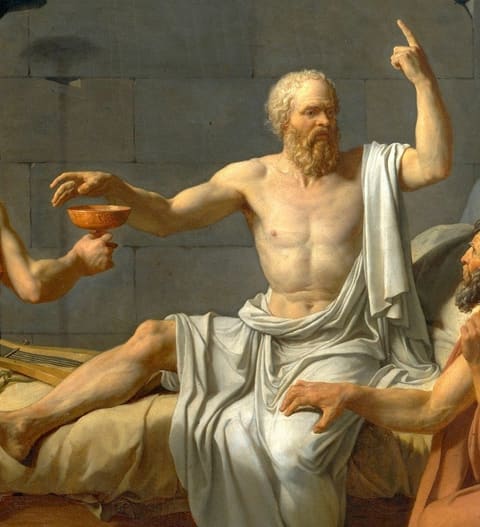
Socrates' dialectical method, examining beliefs through rational questioning and the pursuit of virtue, distrustful of mass politics and the rhetoric of demagogues, yet respectful of the city's rule of law.
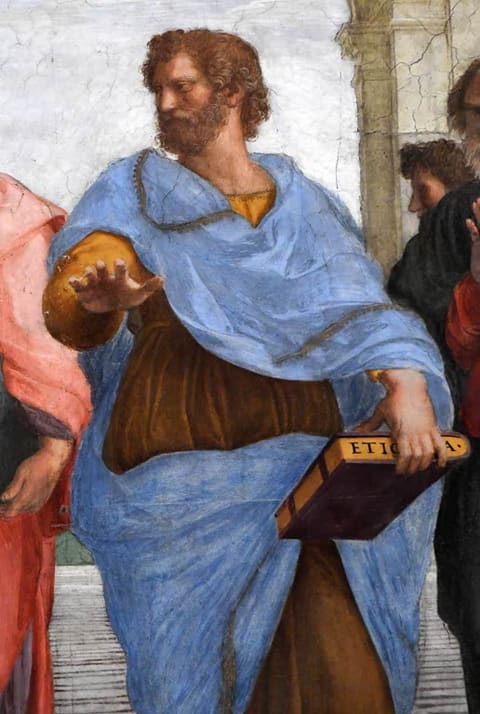
Aristotle's political philosophy, defending a mixed constitution of monarchical, aristocratic and popular elements to avoid both tyranny and radical democracy, reserving full citizenship for those with virtue, property and the education to deliberate.
The most distant ideology
Techno-CommunismAnarchist30%