Positivism
Current inspired by Auguste Comte that trusts science and reason to organize society, defending order, progress, and technical administration guided by knowledge in place of metaphysics and tradition.
Home / Ideologies / Positivism
Current inspired by Auguste Comte that trusts science and reason to organize society, defending order, progress, and technical administration guided by knowledge in place of metaphysics and tradition.
In one sentence
I want a society ruled by order and progress, run by technicians who replace tradition and metaphysics with science.
Political axes
Leans further toward autocracy than 75% of the 253 ideologies in the catalog.
Of all the axes, Representation is where it stands furthest from the rest.
On Intervention, it sits practically at the catalog median.
Here it shares common ground with most ideologies.
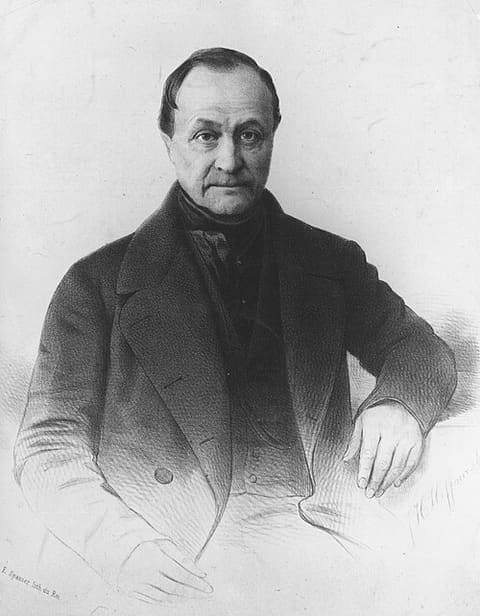
A French philosopher, Comte founded positivism and sociology, holding that science should organize society toward order and progress, with strong influence on republican and technocratic thought.
Closest, by dimension
Other compatible profiles


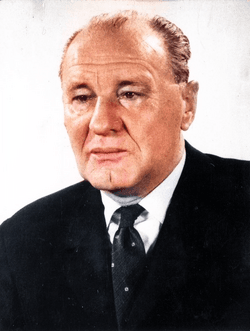
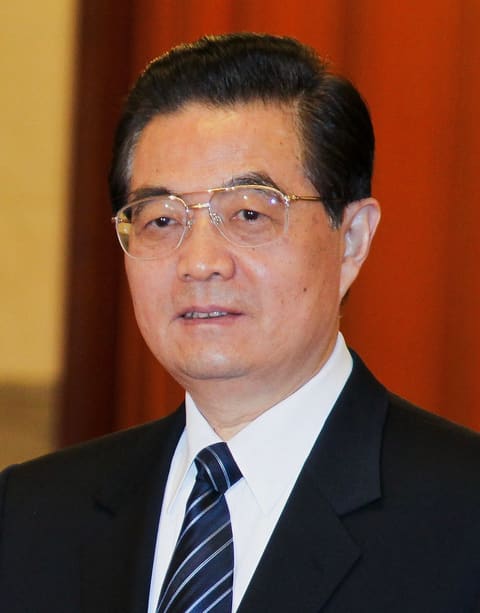
The most distant
Reference country

Under Vargas, Brazil experienced a nationalist, developmentalist regime that promoted state-directed industrialization, labor legislation, and the centralization of power, laying the foundations of Brazilian labourism.
Other close countries

China's first Special Economic Zone, created by Deng Xiaoping in 1980, Shenzhen went from fishing village to global technology and manufacturing hub (Huawei, Tencent, DJI), with a dynamic market under Communist Party oversight.
Also close, by dimension


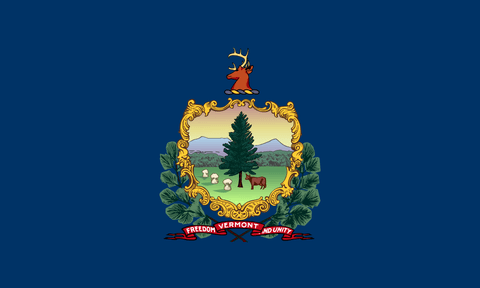
The most distant

Government of the Cardenista peak, marking the institutionalized Mexican Revolution through oil nationalization, ejido land reform, worker-peasant incorporation, popular secularism, and strong presidential leadership.
Also close, by dimension


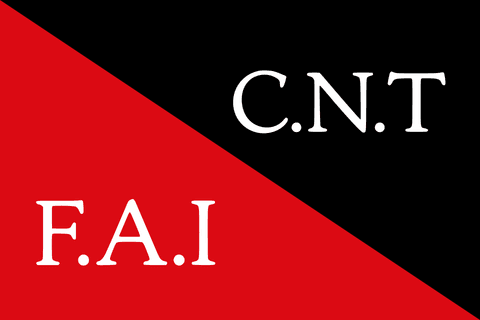
The most distant
Ideological proximity
Closest within Center
Current that advocates industrialization, national sovereignty, and strategic state planning, seeking to modernize the economy through public investment, productive protection, and coordination between government, science, and national companies.
Model of government in which decisions are made by experts and technical, scientific criteria, entrusting engineers, economists, and scientists with the rational and efficient management of the state and the economy.
Sun Yat-sen's republican doctrine, articulated in the Three Principles of the People: nationalism, democracy, and the people's livelihood. Its program envisioned transitional political tutelage, popular sovereignty, and social and economic reforms.
Closest in other spectrums
Model in which the state directs industrialization and economic growth through planning, public investment, and industrial protection, seeking to overcome the nation's backwardness and external dependence.
Model of the Communist Party of Vietnam uniting Ho Chi Minh Thought, anticolonial national liberation and the 1986 Đổi Mới: single-party rule, a socialist-oriented market economy, a dominant state sector and openness to global trade.
Early 19th-century current that envisioned an industrial society reorganized by rational planning, led by scientists, engineers and producers, replacing politicians and aristocrats without appealing to class struggle or revolution.
The most distant ideology
PaleolibertarianismLibertarian33%