Left-Wing Populism
Current that mobilizes the people against economic elites, defending redistribution, public control, national sovereignty, plebiscitary democracy, and broad social policy in popular anti-establishment language.
Home / Ideologies / Left-Wing Populism
Current that mobilizes the people against economic elites, defending redistribution, public control, national sovereignty, plebiscitary democracy, and broad social policy in popular anti-establishment language.
In one sentence
I want the people mobilized against economic elites, with popular plebiscites and the state redistributing wealth to those below.
Political axes
Leans further toward public than 88% of the 253 ideologies in the catalog.
Of all the axes, Economy is where it stands furthest from the rest.
On Religion, it sits practically at the catalog median.
Here it shares common ground with most ideologies.
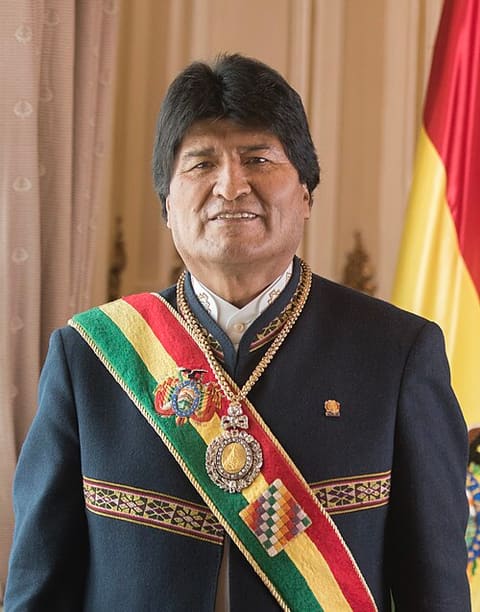
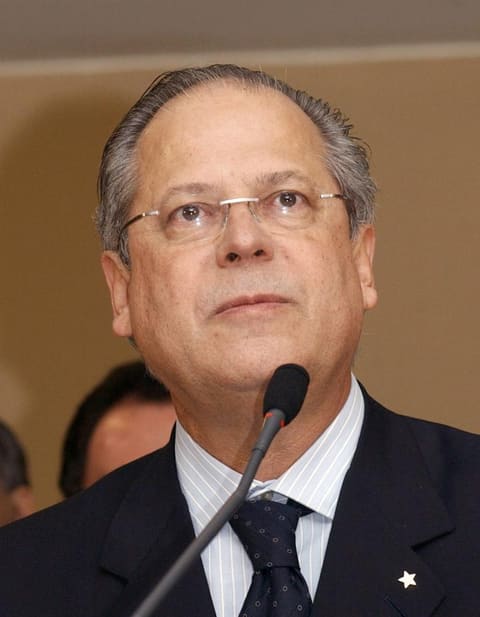
Bolivia's first indigenous president, Evo Morales led indigenism and the plurinational state, nationalizing resources and expanding the rights of native peoples within a left-wing project.
Closest, by dimension
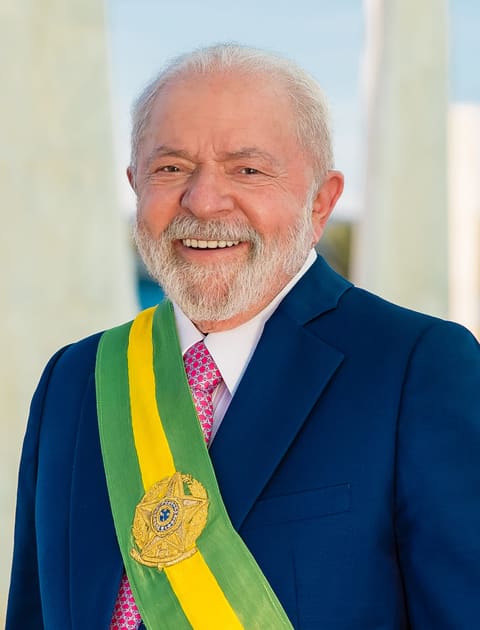

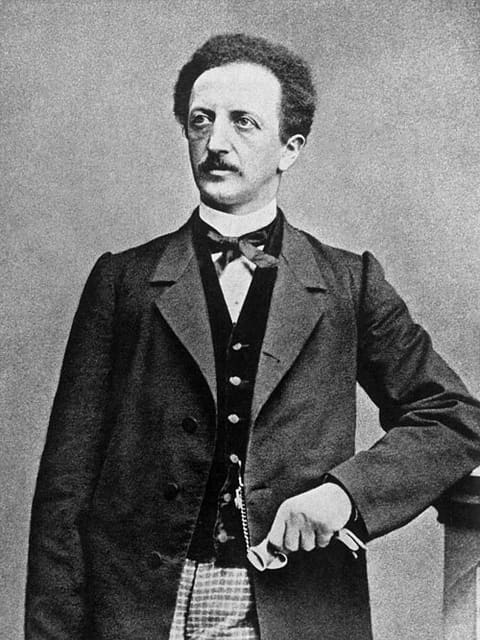
Other compatible profiles



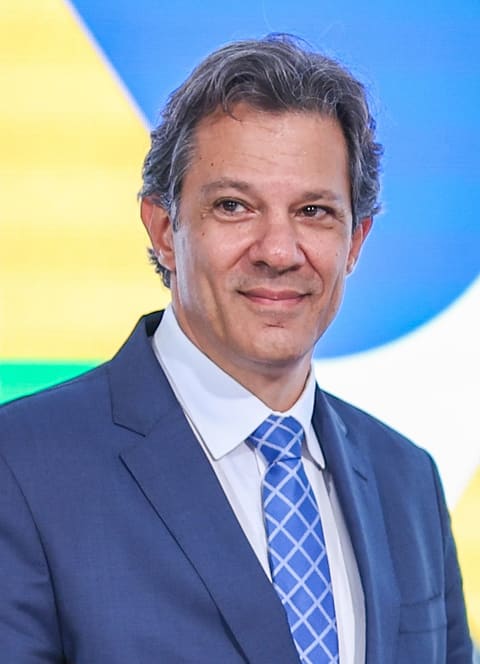



The most distant
Reference country

An Andean presidential republic, Bolivia is marked by indigenous leadership, the defense of natural resources, and a plurinational state project that unites economic nationalism and broad popular participation.
Other close countries
An Andean presidential republic, Bolivia is marked by indigenous leadership, the defense of natural resources, and a plurinational state project that unites economic nationalism and broad popular participation.
Also close, by dimension

The most distant

Under Allende's Popular Unity, Chile attempted democratic socialism through copper and bank nationalization, agrarian reform, and economic planning until the 1973 military coup.
Also close, by dimension

The most distant
Ideological proximity
Closest within Left
System in which collectively or publicly owned enterprises compete in markets, uniting the efficiency of competition with the socialist distribution of profits, without the rigid central planning of state economies.
Model associated with Brazil's Workers' Party governments that seeks growth with social inclusion, combining rising minimum wages, popular credit, cash transfers and public banks without breaking with the market.
Broad doctrine that advocates social or collective ownership of the means of production and economic planning to overcome capitalist exploitation, accepting both the revolutionary and the reformist road to get there.
Closest in other spectrums
Current that advocates industrialization, national sovereignty, and strategic state planning, seeking to modernize the economy through public investment, productive protection, and coordination between government, science, and national companies.
Current of Sankara, Samora Machel, Nkrumah and Nyerere joining pan-Africanism, Black consciousness, anticolonial struggle, agrarian collectivization and self-reliance against neocolonialism and racism.
Current that links environmental protection to national sovereignty, prioritizing the protection of the country's own natural resources and land and sustainable development within national borders.
The most distant ideology
Authoritarian NeoliberalismRight33%