Cultural Nationalism
Nationalism based on shared language, traditions, and heritage rather than race, which values the people's cultural identity and the integration of those who adopt these values, defending the nation's cohesion.
Home / Ideologies / Cultural Nationalism
Nationalism based on shared language, traditions, and heritage rather than race, which values the people's cultural identity and the integration of those who adopt these values, defending the nation's cohesion.
In one sentence
I want a nation united by shared language, traditions and heritage, open to those who adopt our values, with a protected, coordinated economy.
Political axes
Leans further toward traditionalist than 83% of the 253 ideologies in the catalog.
Of all the axes, Morality is where it stands furthest from the rest.
On Economy, it sits practically at the catalog median.
Here it shares common ground with most ideologies.
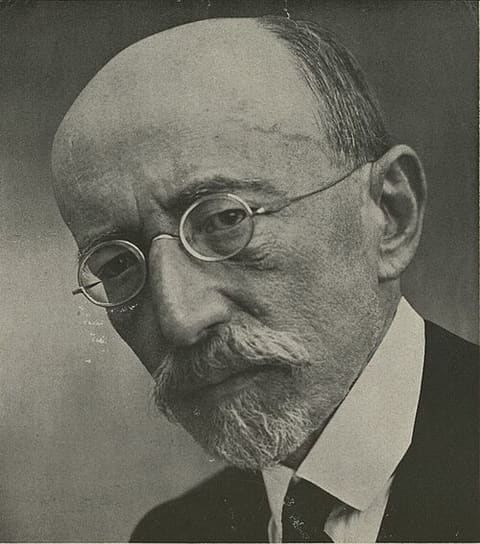
A Zionist thinker, Ahad Ha'am formulated cultural Zionism, proposing that Jewish national renewal should come first through culture, language, and ethics rather than immediate political and territorial sovereignty.
Closest, by dimension

Other compatible profiles
The most distant
Reference country
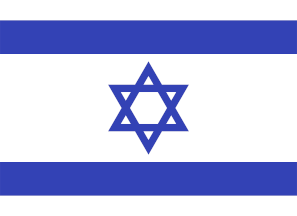
A parliamentary republic in the Middle East, Israel combines a vibrant democracy, a strong Jewish national identity, an advanced technology economy, and a prolonged conflict with the Palestinians that dominates its politics and security.
Other close countries
A semi-presidential republic with an Orthodox majority, Romania inherits Ceaușescu's regime and combines the EU, NATO and US bases with a low flat tax, an anti-corruption drive, rising nationalism, an influential Church and the annulment of the 2024 presidential election.
Also close, by dimension
The most distant
Under Perón, Argentina experienced a populist, nationalist regime that united strong working-class support, corporatism, industrialization, and the expansion of social rights, leaving a lasting mark on the country's politics.
Also close, by dimension
The most distant
Ideological proximity
Closest within Right
Current that combines popular sovereignty and democratic institutions with strong cultural nationalism, prioritizing the nation's interests and identity over supranational commitments and multiculturalism.
Conservative tradition that accepts social reforms and protection for the poorest to preserve national cohesion, seeing elites as responsible for the people's welfare and for harmony between classes.
Current that unites traditional values, family, and religion with strong cultural nationalism, defending sovereignty, borders, and the people's identity within democracy, with clear distrust of globalism.
Closest in other spectrums
Justicialist doctrine of Juan and Eva Perón uniting political sovereignty, economic independence and social justice, with CGT unions, nationalizations, protected industrialization, social Catholicism and a charismatic leader above parties.
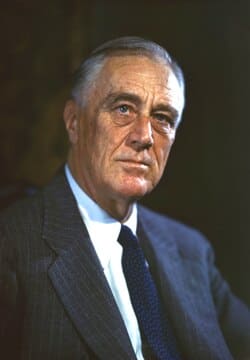
Democratic Party current born with Franklin Roosevelt that joins financial regulation, social security, public works and strong unions with civic patriotism, preserved capitalism and international leadership.
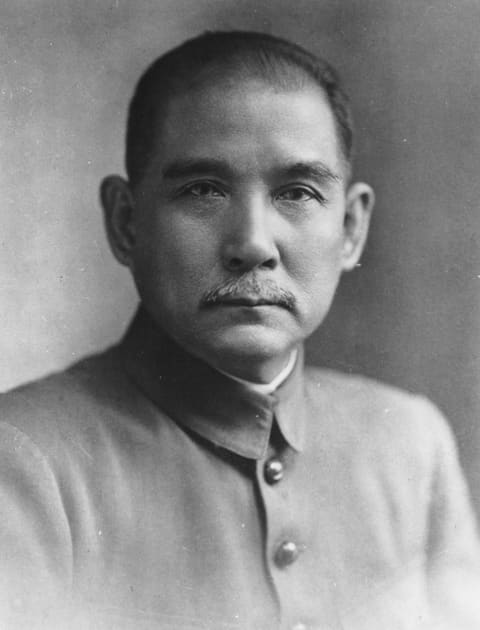
Sun Yat-sen's republican doctrine, articulated in the Three Principles of the People: nationalism, democracy, and the people's livelihood. Its program envisioned transitional political tutelage, popular sovereignty, and social and economic reforms.
The most distant ideology
Crypto-AnarchismLibertarian33%