Proudhonian Mutualism
Proudhon's original doctrine, denouncing property as theft and advocating free mutual credit, federalism of autonomous communities and possession by use, with strong moral reservations about progress and customs.
Home / Ideologies / Proudhonian Mutualism
Proudhon's original doctrine, denouncing property as theft and advocating free mutual credit, federalism of autonomous communities and possession by use, with strong moral reservations about progress and customs.
In one sentence
I want to abolish property as theft, with free mutual credit and a federation of autonomous communes where possession comes from use.
Political axes
Leans further toward federal than 94% of the 253 ideologies in the catalog.
Of all the axes, Structure is where it stands furthest from the rest.
On Technology, it sits close to the catalog median.
Here it shares common ground with most ideologies.
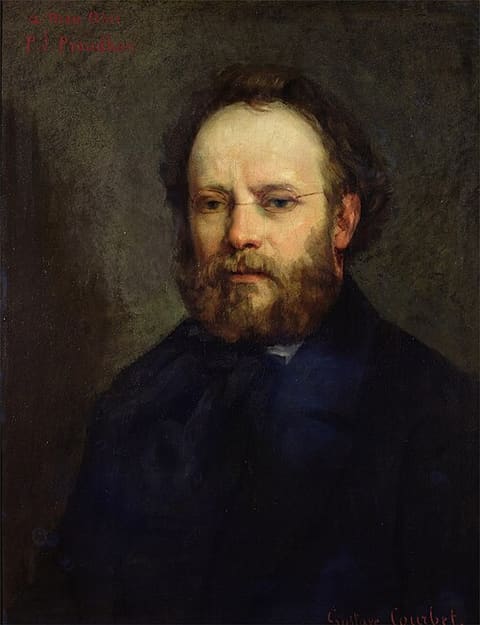
A French philosopher, Proudhon was the first to declare himself an anarchist and formulated mutualism, defending fair exchange, free credit, and use-based property, with the famous phrase that property is theft.
Closest, by dimension
Other compatible profiles
The most distant
Reference country

A European semi-presidential republic, France combines a strong republican and secular tradition, a robust welfare state, a mixed economy, and a prominent diplomatic, cultural, and military role in the European Union and the world.
Other close countries
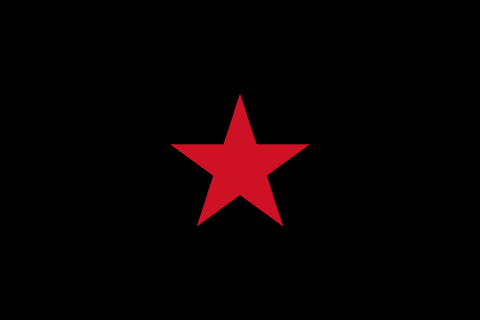
Zapatista territories in southern Mexico, self-governed since 1994 by mostly Maya communities through caracoles and Good Government Councils, rejecting political parties and the state, with cooperative agrarian economy and strong women's leadership.
Also close, by dimension

The most distant

During the Russian Revolution, Makhno's Free Territory was an anarchist experiment in Ukraine, with self-managed peasant communes and popular militias that rejected both the White state and Bolshevik power.
Also close, by dimension

The most distant
Ideological proximity
Closest within Anarchist
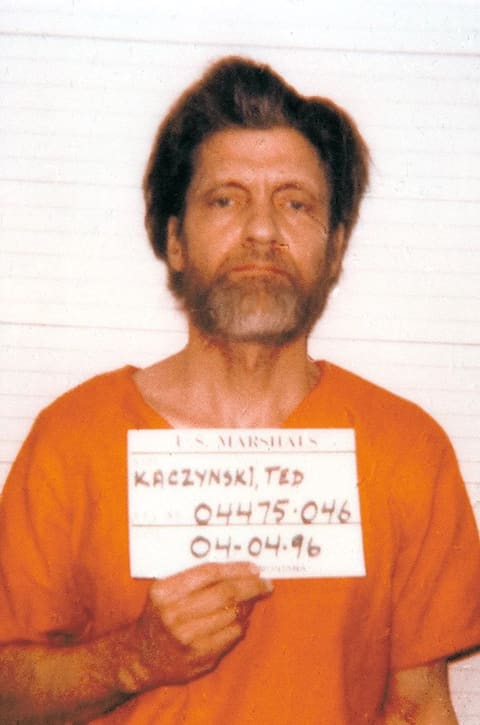
Current of John Zerzan and Ted Kaczynski that sees industrial civilization and agriculture itself as the root of domination, calling for the end of modern technology and a return to small stateless hunter-gatherer communities.
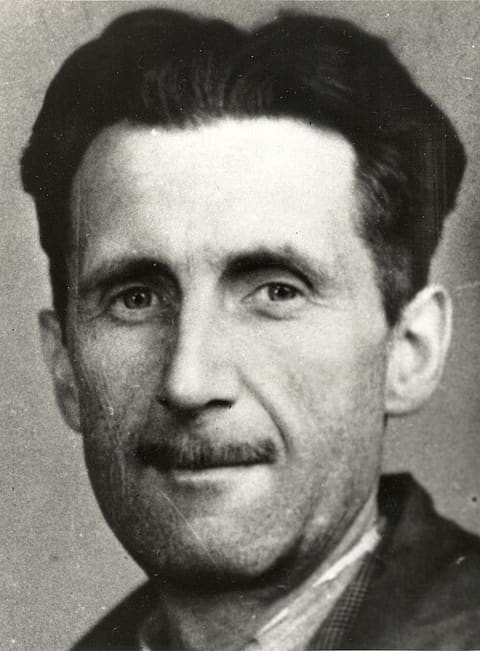
Current of Peter Kropotkin that sees mutual aid as a law of nature and proposes federated communes, integration of farming and industry, science serving all and an ethics of solidarity without the state.
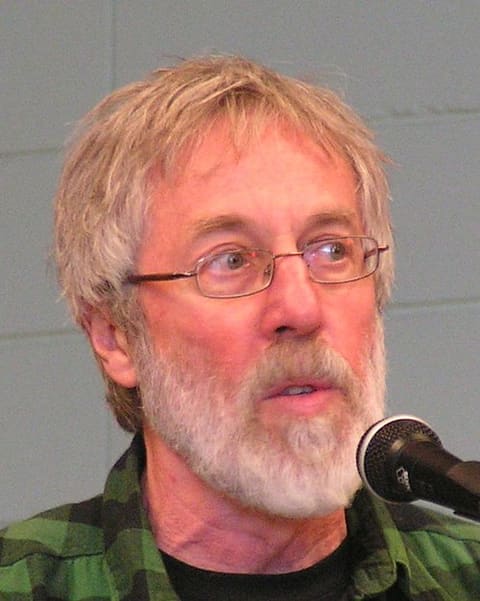
Anarchist current founded by Proudhon that advocates fair exchange, free credit, and use-based property, with producers and cooperatives trading among themselves without exploitation, bosses, or a central state.
Closest in other spectrums
Republican tradition that idealizes the small landowning farmer as the basis of civic virtue and liberty, advocating wide distribution of land, limited and decentralized government, and distrust of banks, public debt, industry and large cities.
A system in which citizens decide laws directly through referendums, popular initiatives, assemblies and recall of officials, instead of delegating to representatives, as in the Swiss cantons and classical Athens.
Current created by Henry George proposing to fund society with a single tax on land value, holding that land rent belongs to everyone and that labor and capital should not be taxed.
The most distant ideology
Authoritarian NeoliberalismRight41%