Authoritarian Liberalism
Current that combines a market economy, private property, trade openness, and technocracy with low democratic participation, holding that a strong, efficient state should preserve order, stability, and growth.
Home / Ideologies / Authoritarian Liberalism
Current that combines a market economy, private property, trade openness, and technocracy with low democratic participation, holding that a strong, efficient state should preserve order, stability, and growth.
In one sentence
I want a market and technocratic economy, with low democratic participation, under a strong state that guarantees order and growth.
Political axes
Leans further toward autocracy than 87% of the 253 ideologies in the catalog.
Of all the axes, Representation is where it stands furthest from the rest.
On Morality, it sits practically at the catalog median.
Here it shares common ground with most ideologies.
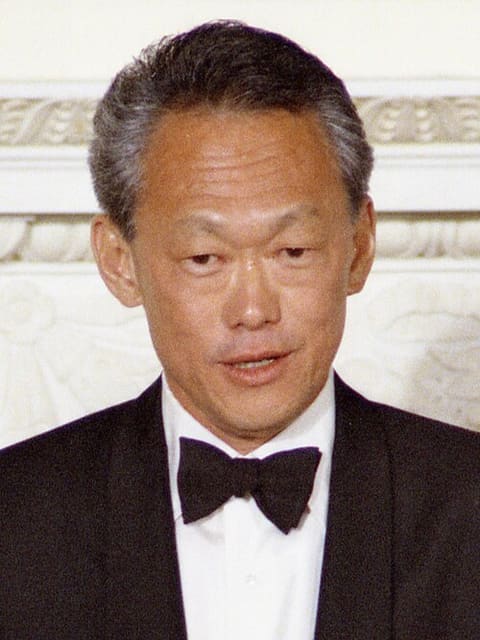
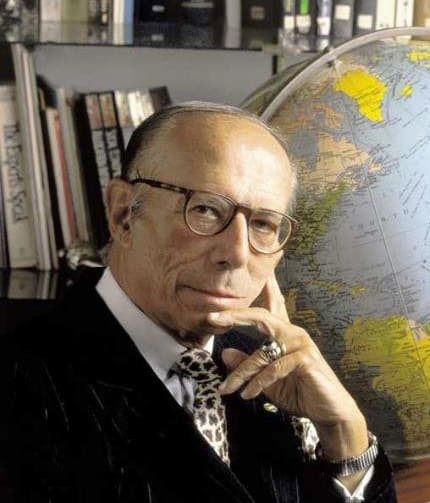
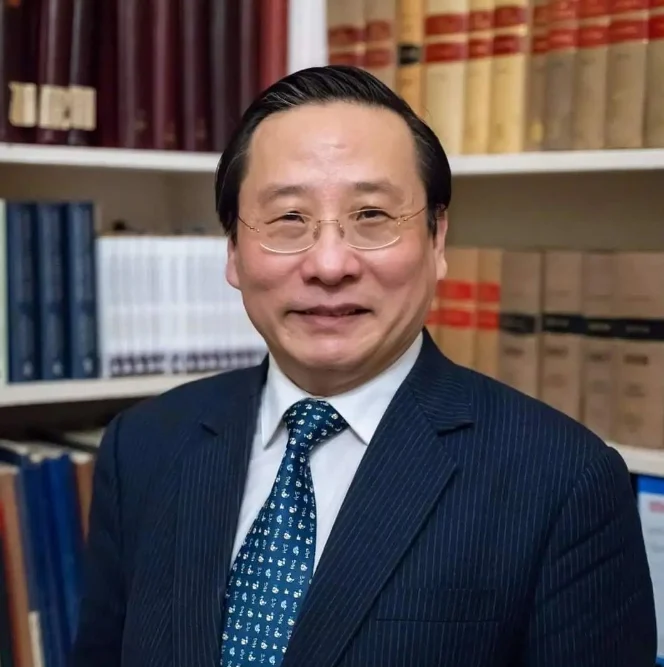
Founder of Singapore, Lee Kuan Yew transformed the city-state into a model of authoritarian capitalism, uniting open markets, technocratic meritocracy, strict order, and heavily restricted political freedoms.
Closest, by dimension
Other compatible profiles
The most distant
Reference country
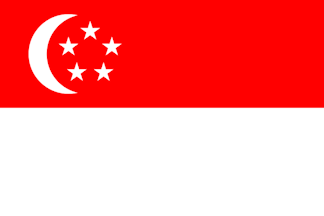
An Asian city-state, Singapore is a parliamentary republic dominated by a single party, combining open capitalism, efficient technocratic management, strict order, and limited political freedoms in the name of progress.
Other close countries
An Asian city-state, Singapore is a parliamentary republic dominated by a single party, combining open capitalism, efficient technocratic management, strict order, and limited political freedoms in the name of progress.
Also close, by dimension
The most distant
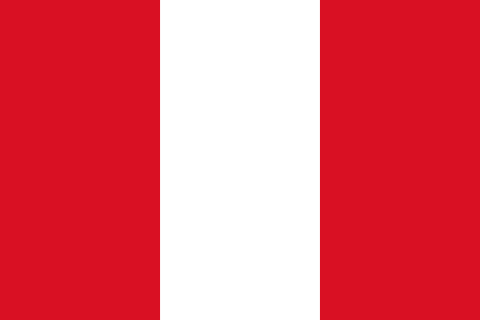
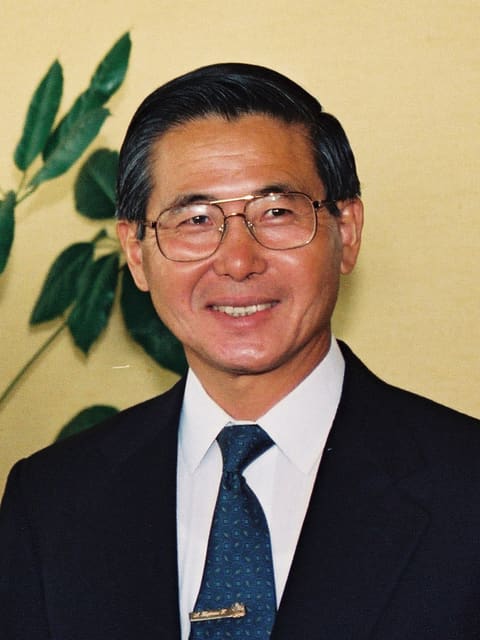
Under Alberto Fujimori, Peru combined a self-coup and the closing of Congress with neoliberal shock reforms, privatisations and trade liberalisation, alongside a dirty war against the Shining Path marked by massacres and forced sterilisations.
Also close, by dimension
The most distant
Ideological proximity
Closest within Right
A unitary variant of neoreaction: an absolute CEO-monarch rules a centralized state through data and security technology (surveillance, AI), under market capitalism, private property and free enterprise, for the sake of stability and efficiency.
Model that entrusts the management of the state and the economy to experts and technological efficiency, combining markets, innovation, and technical decisions instead of political deliberation and traditional party competition.
Model that combines a market economy and private property with a closed political regime, in which the state guarantees order, growth, and stability while restricting civil liberties and political competition.
Closest in other spectrums
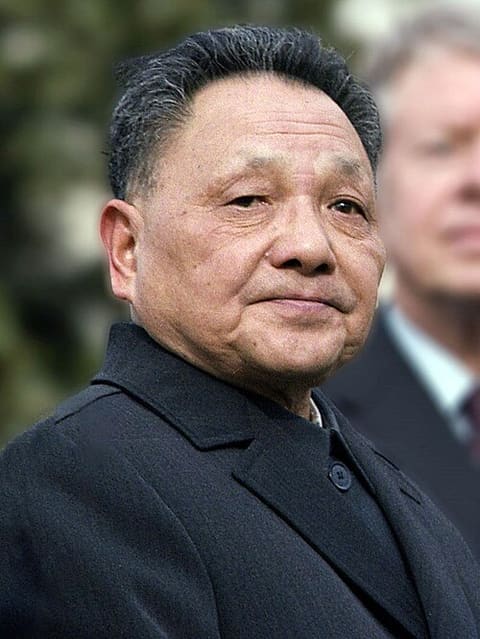
Pragmatic reform initiated by Deng Xiaoping that introduced markets, private property, and economic opening under the absolute control of the Communist Party, forming the model of socialism with Chinese characteristics.
Current that advocates accelerating the system's contradictions through technology and the collapse of liberal institutions, betting on the rupture of the existing order to forge a new social and political hierarchy.
Regime centered on the armed forces as the core of political power, ruled by a military junta or command hierarchy, marked by centralization, discipline, a cult of order, and expansionism, subordinating civilian politics to military command.
The most distant ideology
CommunalismAnarchist26%