Christian Conservatism
Current that grounds politics in Christian morality and tradition, defending family, life, and religious values within democracy, with emphasis on preserving the people's customs and cultural heritage.
Home / Ideologies / Christian Conservatism
Current that grounds politics in Christian morality and tradition, defending family, life, and religious values within democracy, with emphasis on preserving the people's customs and cultural heritage.
In one sentence
I want a society faithful to Christian morals and faith, protecting family, life and inherited customs against the erosion of the times.
Political axes
Leans further toward religious than 91% of the 253 ideologies in the catalog.
Of all the axes, Religion is where it stands furthest from the rest.
On Diplomacy, it sits practically at the catalog median.
Here it shares common ground with most ideologies.
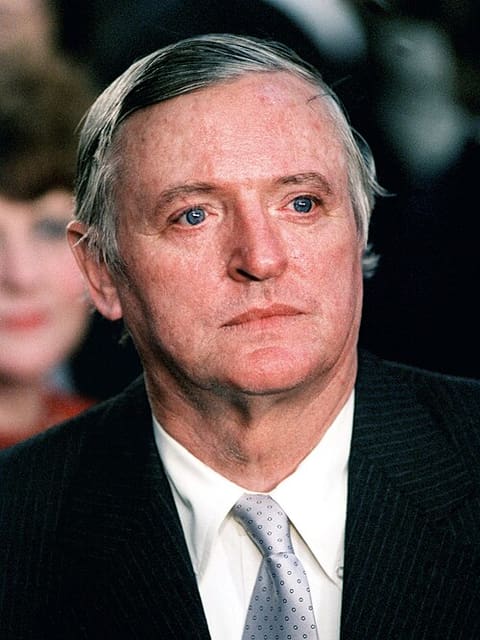
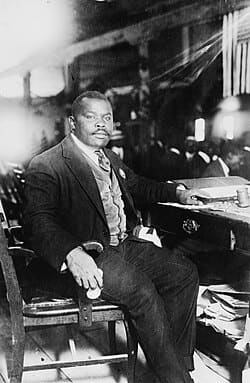
An American intellectual, Buckley articulated modern conservatism in the United States, uniting free markets, anti-communism, and traditional Christian values into a coherent, influential political and cultural force.
Closest, by dimension



Other compatible profiles



The most distant
Reference country

The second-largest US state, Texas stands out for its conservatism, its culture of strong individual freedom, low taxation, and a dynamic market economy tied to energy and industry.
Other close countries

A parliamentary republic in Eastern Europe, Poland combines democracy, a strong Catholic and nationalist identity, and a growing market economy, with politics marked by tensions between conservatism and liberalism.
Also close, by dimension
The most distant
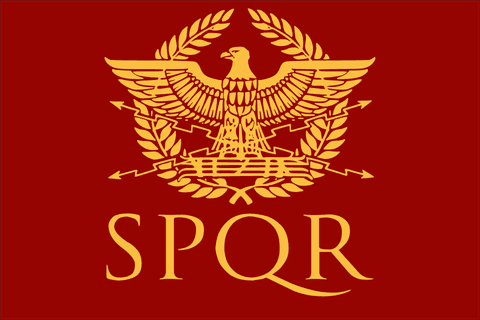
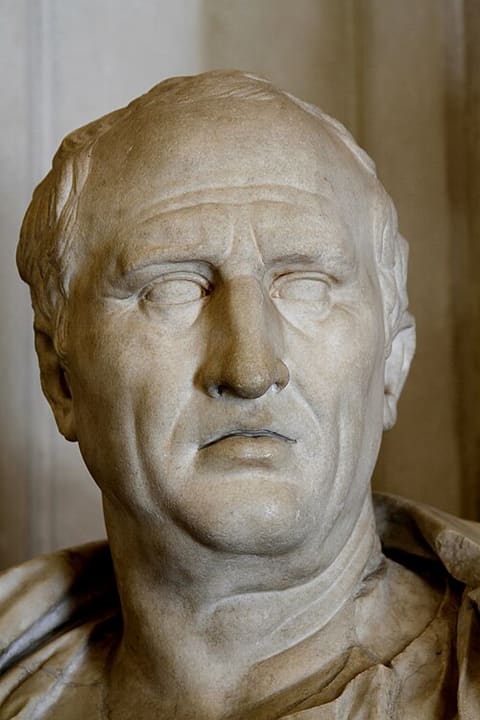
An aristocratic republic of antiquity, Rome balanced consuls, Senate, and tribunes of the plebs in a mixed system of elective magistracies, expanding across the Mediterranean through citizen legions and a strong cult of civic virtue.
Also close, by dimension

The most distant
Ideological proximity
Closest within Right
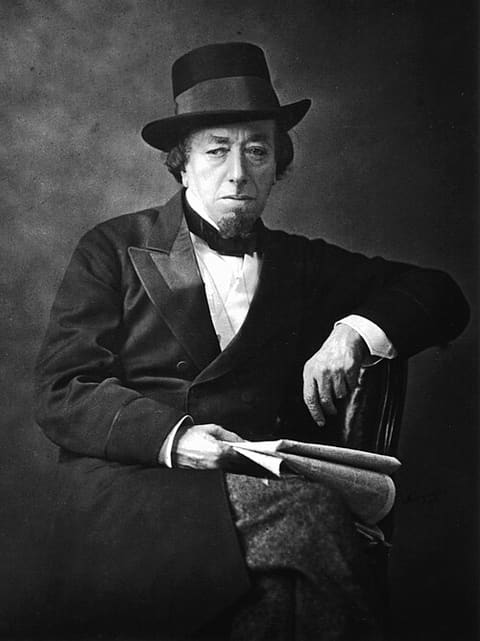
Current that unites traditional values, family, and religion with strong cultural nationalism, defending sovereignty, borders, and the people's identity within democracy, with clear distrust of globalism.
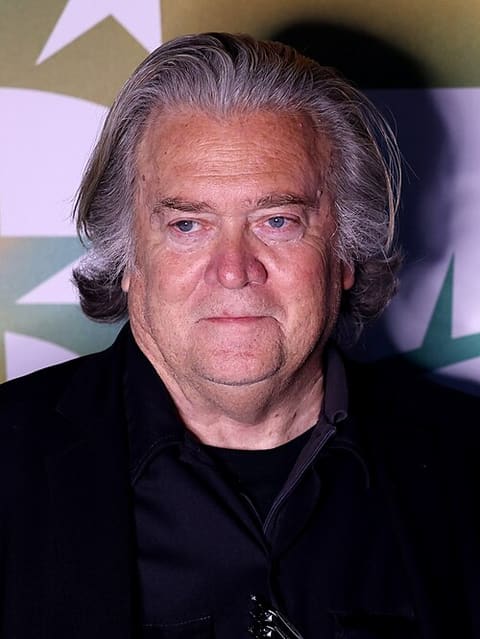
Conservative tradition that accepts social reforms and protection for the poorest to preserve national cohesion, seeing elites as responsible for the people's welfare and for harmony between classes.
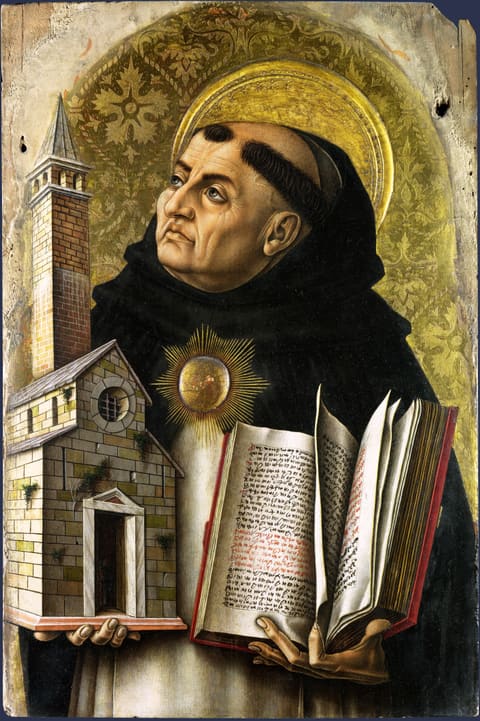
Revival of Thomas Aquinas's thought from 1879 (Leo XIII), with Maritain and Gilson. It grounds politics in natural law, the common good and subsidiarity, favoring mixed government, property with a social function and just war, under Catholic faith.
Closest in other spectrums
Centrist branch that combines economic moderation and institutional respect with social conservatism, valuing family, religion, order, and gradual change without joining the authoritarian right or populist radicalism.
Justicialist doctrine of Juan and Eva Perón uniting political sovereignty, economic independence and social justice, with CGT unions, nationalizations, protected industrialization, social Catholicism and a charismatic leader above parties.
Socrates' dialectical method, examining beliefs through rational questioning and the pursuit of virtue, distrustful of mass politics and the rhetoric of demagogues, yet respectful of the city's rule of law.
The most distant ideology
Techno-CommunismAnarchist26%