Home / Countries / Qing Dynasty China

Confucian dynastic empireHistorical regime · 1644–1912

Qing Dynasty China

China's last imperial dynasty, founded by the Manchus, the Qing ruled through a Confucian examination bureaucracy, extended the empire to Tibet and Xinjiang, restricted foreign trade to Canton and declined with the Opium Wars and the Taiping Rebellion.

Predominant spectrum
Third Position
Closest ideology
Brazilian Integralism
Closest personality
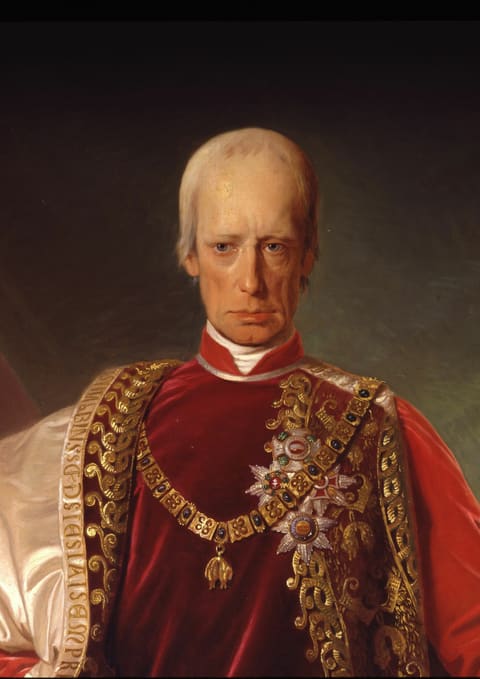
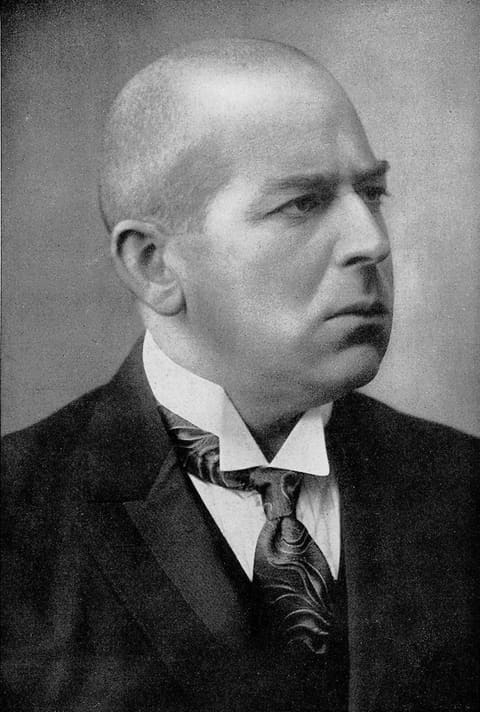
Francis I of Austria

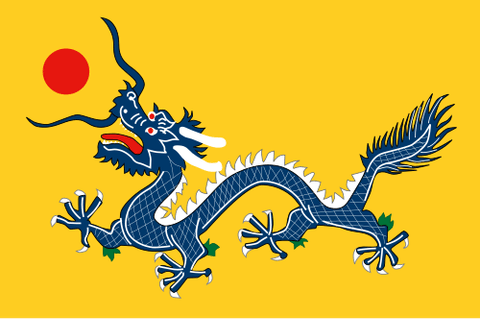
Flag: Qing Dynasty China

Political axes

Profile across the 12 axes

  • Structure

    Leaning · Unitary
    Federal43%
    Unitary58%
  • Representation

    Very strong · Autocracy
    Democracy3%
    Autocracy97%
  • Power

    Strong · Security
    Security81%
    Liberty19%
  • Immigration

    Balanced
    Assimilation52%
    Multiculturalism49%
  • Diplomacy

    Strong · Militarist
    Militarist78%
    Pacifist22%
  • Intervention

    Strong · Nationalist
    Non-interventionist23%
    Nationalist77%
  • Economy

    Leaning · Public
    Public60%
    Private40%
  • Control

    Strong · Planning
    Planning76%
    Free market25%
  • Trade

    Very strong · Protectionism
    Protectionism96%
    Globalism5%
  • Religion

    Leaning · Religious
    Irreligious36%
    Religious65%
  • Morality

    Very strong · Traditionalist
    Progressive10%
    Traditionalist90%
  • Technology

    Strong · Biology
    Technology21%
    Biology79%

What sets Qing Dynasty China apart

Most unusual position

Representation

Leans further toward autocracy than 100% of the 204 countries and regimes in the catalog.

Country median 54Qing Dynasty China 3

Of all the axes, Representation is where it stands furthest from the rest.

Most common position

Religion

On Religion, it sits practically at the catalog median.

Country median 39Qing Dynasty China 36

Here it shares common ground with most countries.